India is blessed with some of the highest motorable roads on the planet. These routes are more than just asphalt laid across mountains; they are gateways to remote cultures, windows to spectacular Himalayan landscapes, and thrilling challenges for bikers, SUV drivers, and high-altitude explorers.
But before you attempt these routes, it helps to know what qualifies as a motorable road. In simple terms, a motorable road is any route that can be driven using a high-clearance vehicle or motorcycle, even if it’s rough, unpaved, or controlled by authorities.
However, rankings often vary because many of these passes are maintained by the BRO (Border Roads Organisation) and situated close to sensitive border zones. Some require special permits, while others are open only to defence personnel. Still, adventure travellers have successfully driven many of them in organized groups.
This article gives you a detailed, accurate, and travel-friendly guide to the 10 highest motorable roads in India - covering altitude, location, challenges, permits, best time to visit, and what makes each route special.
1. Dungri La / Mana Pass, Uttarakhand – 18,406 ft (5,610 m)
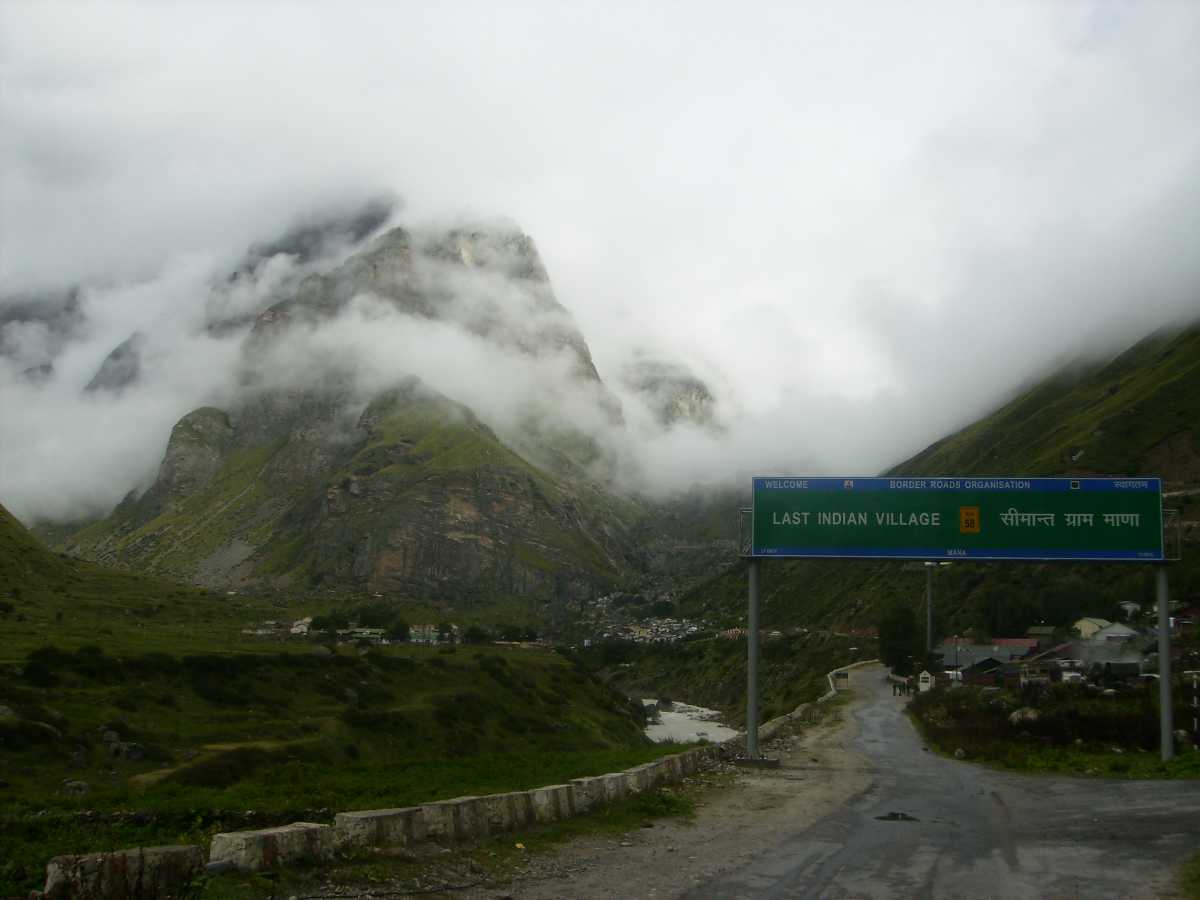
Tucked near the Indo -Tibet border, Mana Pass also known as Dungri La is widely considered the highest motorable road in India and one of the highest in the world. This mighty pass lies beyond Badrinath and close to Mana village, the last Indian village before Tibet.
What makes Mana Pass special?
- It stands higher than the more famous Khardung La.
- The terrain is extremely remote and rugged.
- The views of Chaukhamba Range and glacial valleys are breathtaking.
Permit requirements
Access is strictly controlled by the Indian Army and ITBP. Civilians are rarely granted permission, except for special expeditions. Those who’ve ridden it did so under pre-approved, regulated conditions.
Best for
Extreme adventure riders, organised expeditions, and high-altitude researchers.
2. Marsimik La, Ladakh – 18,314 ft (5,582 m)
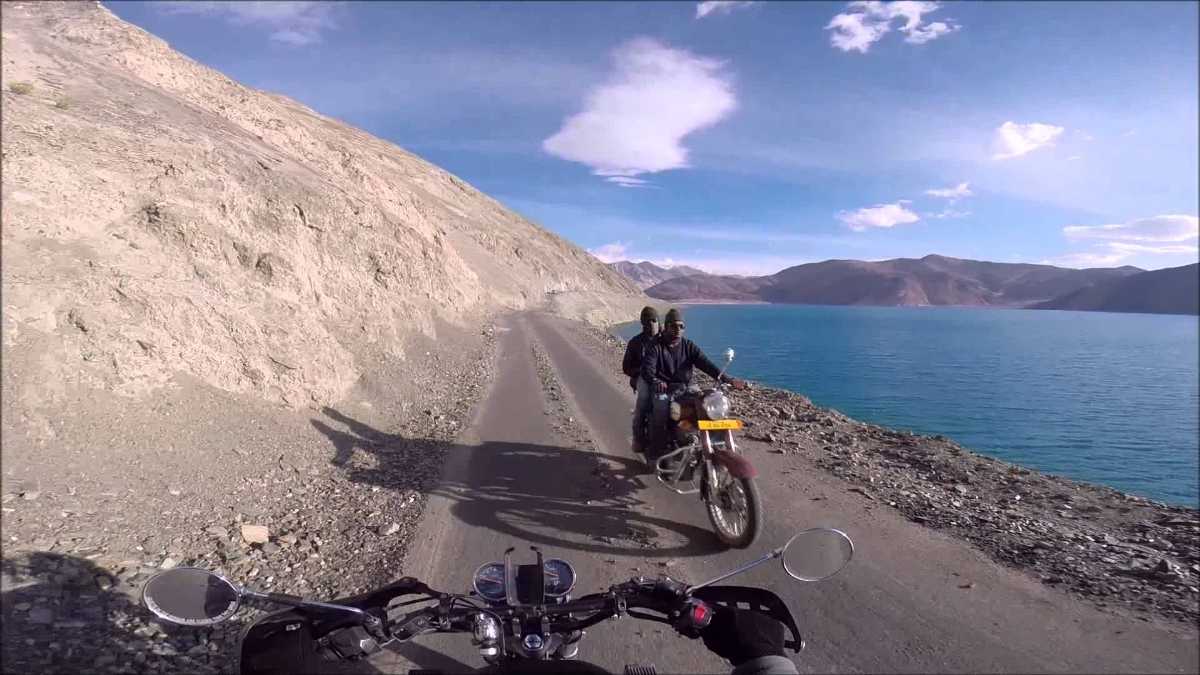
Situated close to the China border and just 20–30 km from Pangong Lake, Marsimik La is known for being one of the steepest and toughest motorable routes in India.
Highlights
- Offers surreal views of Pangong Lake from high above.
- Extremely thin air, making it difficult even for vehicles.
Permits
Protected area permits (PAP) are required, and even then, permission may vary depending on the security situation.
Terrain Difficulty
Loose gravel, sand, and steep gradients; only experienced riders should attempt it.
3. Umling La, Ladakh – 19,300 ft (5,882 m) – BRO’s record-breaking road

Although your earlier text listed fewer passes, no list today is complete without the BRO’s engineering marvel – Umling La. It is officially one of the highest motorable roads in the world.
Why Umling La stands out
- Built under Project Himank.
- It connects remote villages like Chisumle and Demchok.
- Altitude exceeds even Everest Base Camp.
Challenges
- Oxygen levels drop to 40% of normal.
- Temperatures fall to –30°C.
- Weather changes instantly.
Permits
You need an Inner Line Permit (ILP), and travel is sometimes restricted depending on border tensions.
4. Khardung La, Ladakh – 17,582 ft (5,359 m)
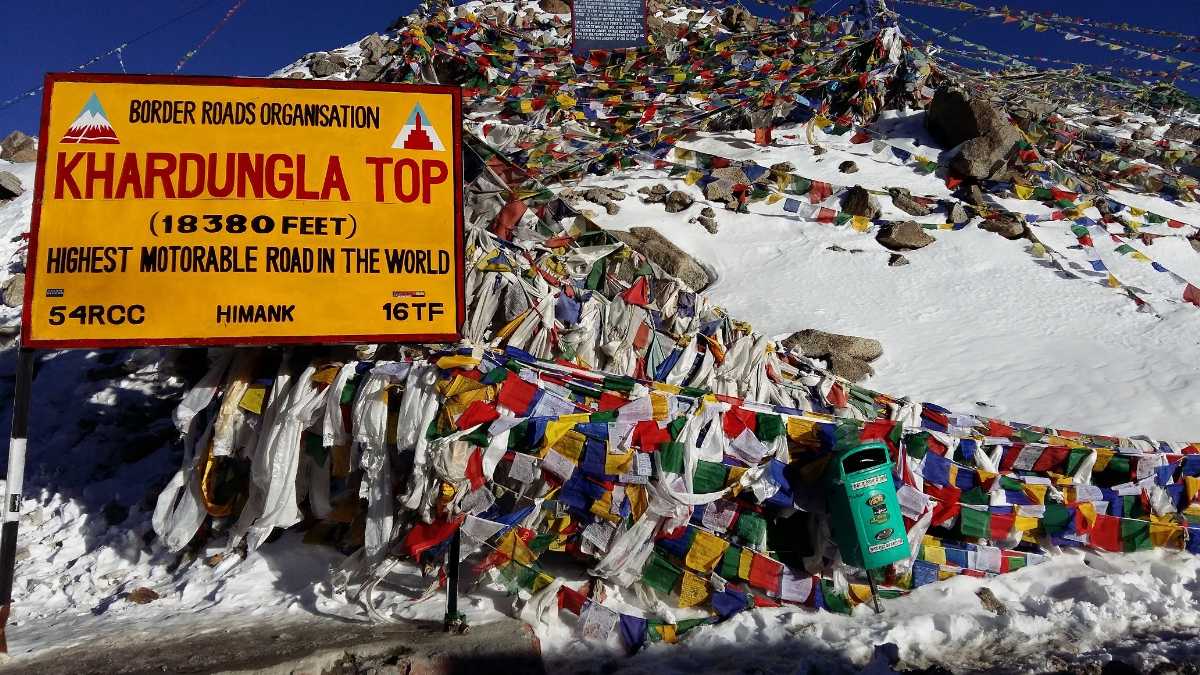
Once believed to be the world’s highest motorable pass, Khardung La remains the most popular high-altitude road in India, thanks to its accessibility from Leh.
Why it’s popular
- Gateway to Nubra Valley and Siachen Glacier.
- Black-topped road maintained by BRO.
- A favourite among motorcycle riders on Ladakh trips.
Experience Highlights
- Snow walls on both sides (in early season).
- A chai shop at the top for that iconic “Khardung La tea”.
Tips
- Roads can be slippery.
- Altitude sickness is common - acclimatize in Leh for 1–2 days.
5. Chang La, Ladakh – 17,585 ft (5,360 m)
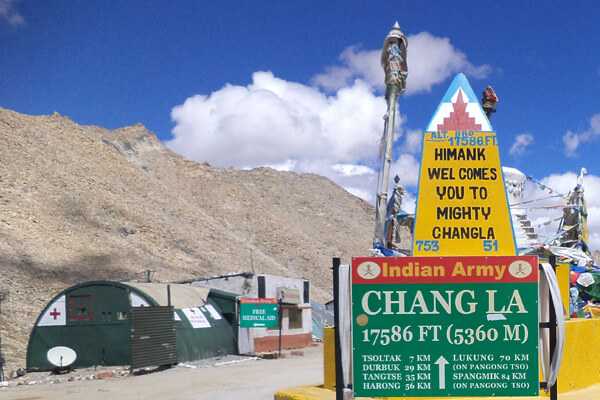
Often regarded as one of the most scenic high passes in Ladakh, Chang La is the gateway to Pangong Lake.
What makes Chang La unforgettable?
- Dramatic landscapes.
- A mix of rugged terrain and smooth patches.
- Snow-clad mountains almost year-round.
Road Conditions
Good for the most part but gets tricky near the summit due to ice.
Acclimatization Important
Because it is higher than Khardung La, visitors often feel breathless if they ascend too quickly.
6. Kunzum Pass, Himachal Pradesh – 15,059 ft (4,590 m)
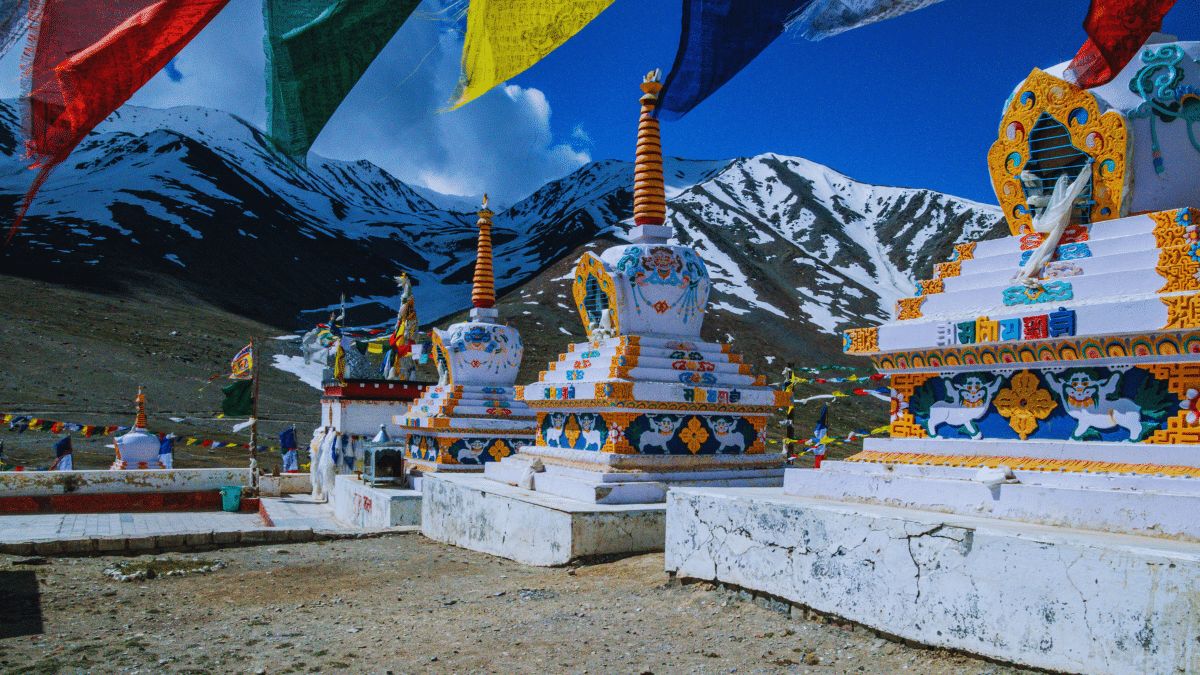
Located between Lahaul and Spiti, Kunzum La isn’t as high as Ladakh’s giants, but it is one of the most adventurous roads in Himachal Pradesh.
Why Kunzum La is special
- Connects Manali to Spiti Valley.
- Offers stunning views of Chandrabhaga Range.
- It leads to Chandratal Lake.
Road Type
Rough, narrow, and full of hairpin bends – perfect for adventure lovers.
Tip
Open only from June to September.
7. Taglang La, Ladakh – 17,480 ft (5,328 m)
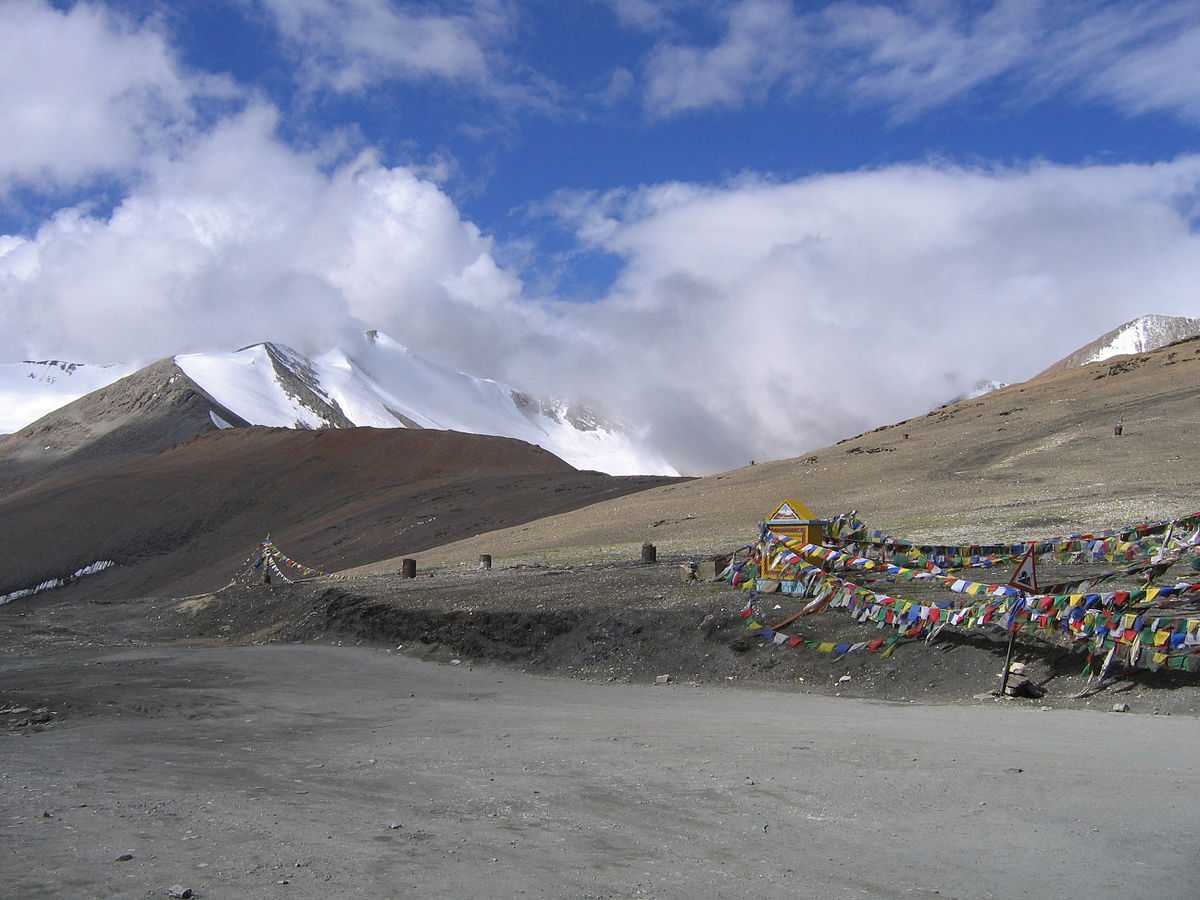
Taglang La lies on the iconic Manali-Leh Highway, making it a must-cross for most road trippers.
Highlights
- Smooth tarmac in many sections.
- Surrounded by wide, beautifully barren landscapes.
- Slightly easier than Khardung La but still challenging.
Best Season
May to September.
8. Baralacha La, Himachal Pradesh – 16,040 ft (4,890 m)
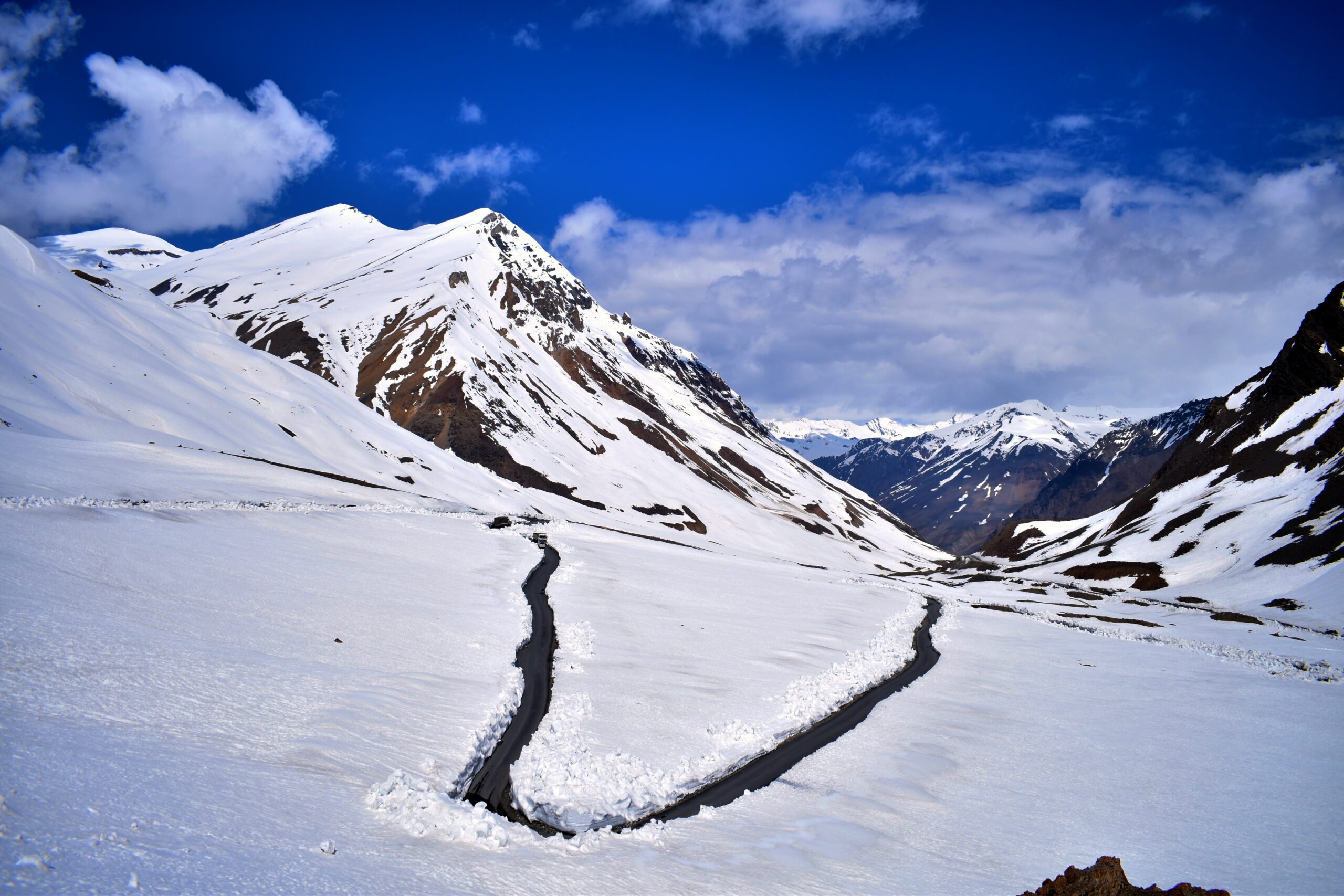
Baralacha La sits at the confluence of roads leading to Ladakh, Spiti, and Lahaul.
Why it’s famous
- Snowfields stretch endlessly in early summer.
- Feels like driving through a frozen desert.
- Gateway to Suraj Tal, one of India’s highest lakes.
Challenges
Avalanches, black ice, and sudden weather changes.
9. Rohtang Pass, Himachal Pradesh – 13,050 ft (3,978 m)
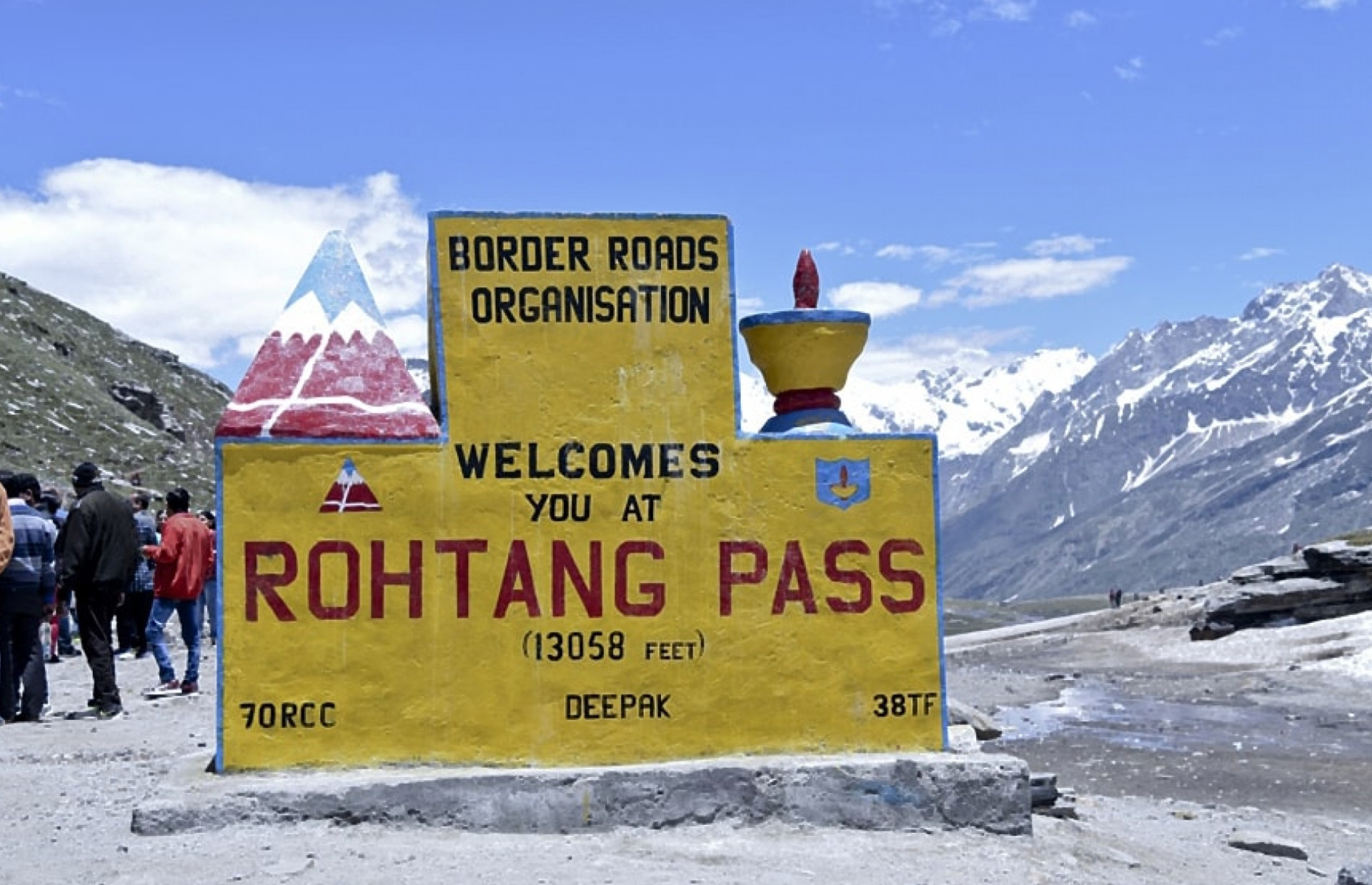
Though much lower than the other passes, Rohtang La is one of the most iconic roads in India.
Reasons for popularity
- Gateway to Lahaul–Spiti and Leh–Ladakh.
- Beautiful waterfalls, cliffs, and snow points.
- Loved by tourists, bikers, and photographers.
Permit System
Vehicles require a pre-approved Rohtang Pass permit (except if you’re crossing towards Leh without stopping).
10. Nathu La, Sikkim – 14,140 ft (4,310 m)
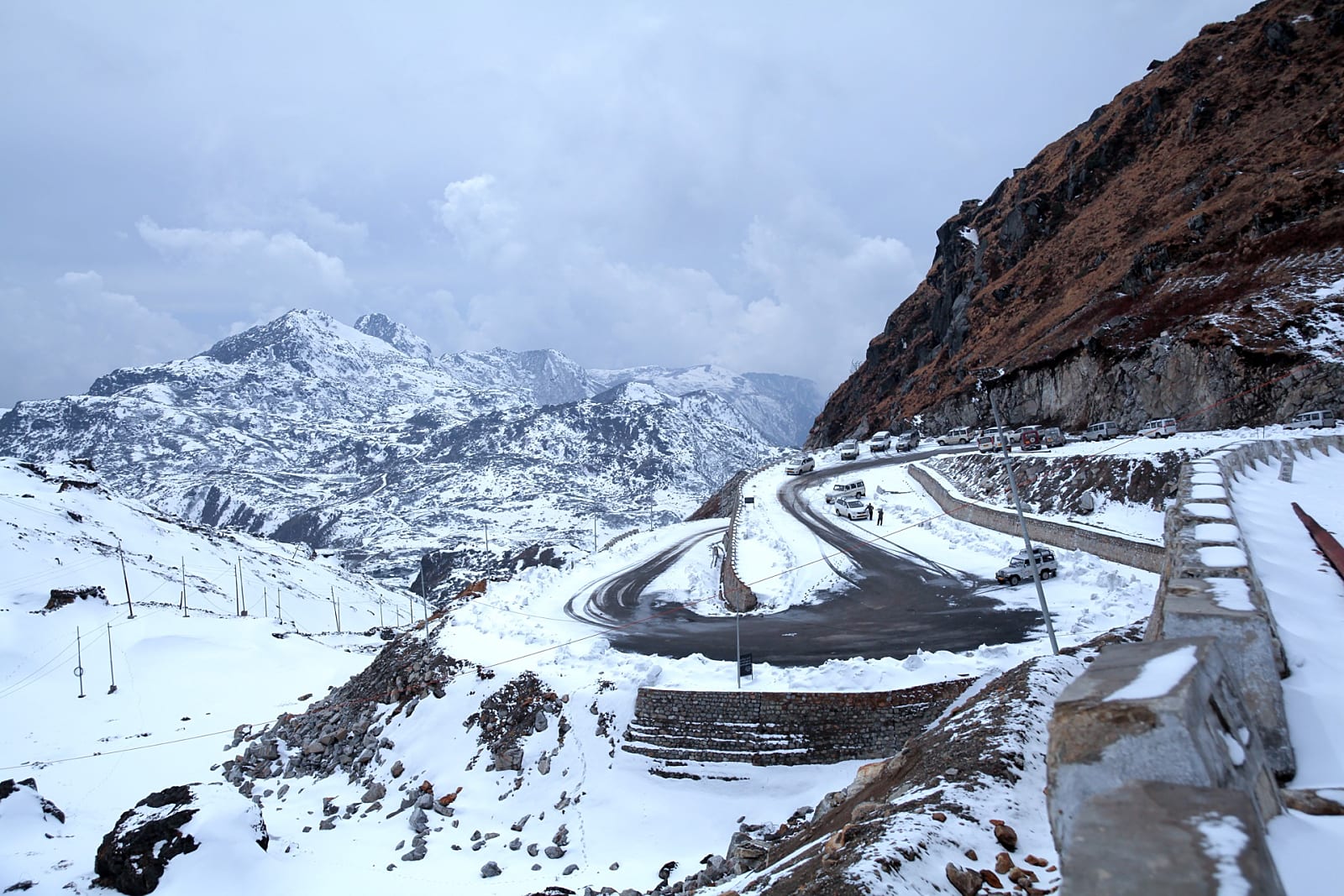
Located on the Sino-Indian border, Nathu La is one of the few highly motorable passes in eastern India.
Why Nathu La stands out
- Part of the historic Silk Route.
- Offers a rare view of Chinese border outposts.
- Close to Tsomgo Lake and Kupup.
Restrictions
Only Indian citizens are allowed, and permits are mandatory.
Things to Remember Before Attempting High Motorable Roads
1. Altitude Sickness (AMS) is Real
Symptoms include headache, nausea, breathlessness, and fatigue. Avoid rushing to high passes in a single day.
2. Always Acclimatize
Spend 1–2 days at mid-altitude towns like:
- Leh
- Kaza
- Manali
3. Carry Essentials
- Warm layers and gloves
- Portable oxygen cans
- Power bank
- Dry snacks and hydration
- Tyre repair kit
4. Best Season
Most passes open between May and October. Ladakh routes may stay open longer depending on snowfall.
5. Road Conditions Vary
Expect:
- Black ice
- Landslides
- Broken tarmac
- River crossings
6. Fuel Up in Advance
Long stretches between pumps, especially on the Manali–Leh and Spiti routes.
Why These High Roads Attract Adventurers
Driving to such altitudes is a mix of:
- Raw adrenaline
- Mountain solitude
- Unmatched Himalayan scenery
- A sense of achievement
These routes connect ancient villages, monasteries, high-altitude lakes, and often serve as lifelines for remote communities. The combination of beauty and challenge is what makes India one of the world’s best destinations for high-altitude road trips.
Final Thoughts
From the extreme heights of Mana Pass and Umling La to the scenic beauty of Kunzum and Chang La, India’s highest motorable roads offer journeys that stay with you forever. Whether you're a biker dreaming of Ladakh, a photographer chasing Himalayan landscapes, or an adventure seeker looking for the ultimate challenge, these passes promise unforgettable experiences.
Choose the right season, prepare well, respect the mountains, and the Himalayas will reward you with some of the most incredible drives on Earth.